


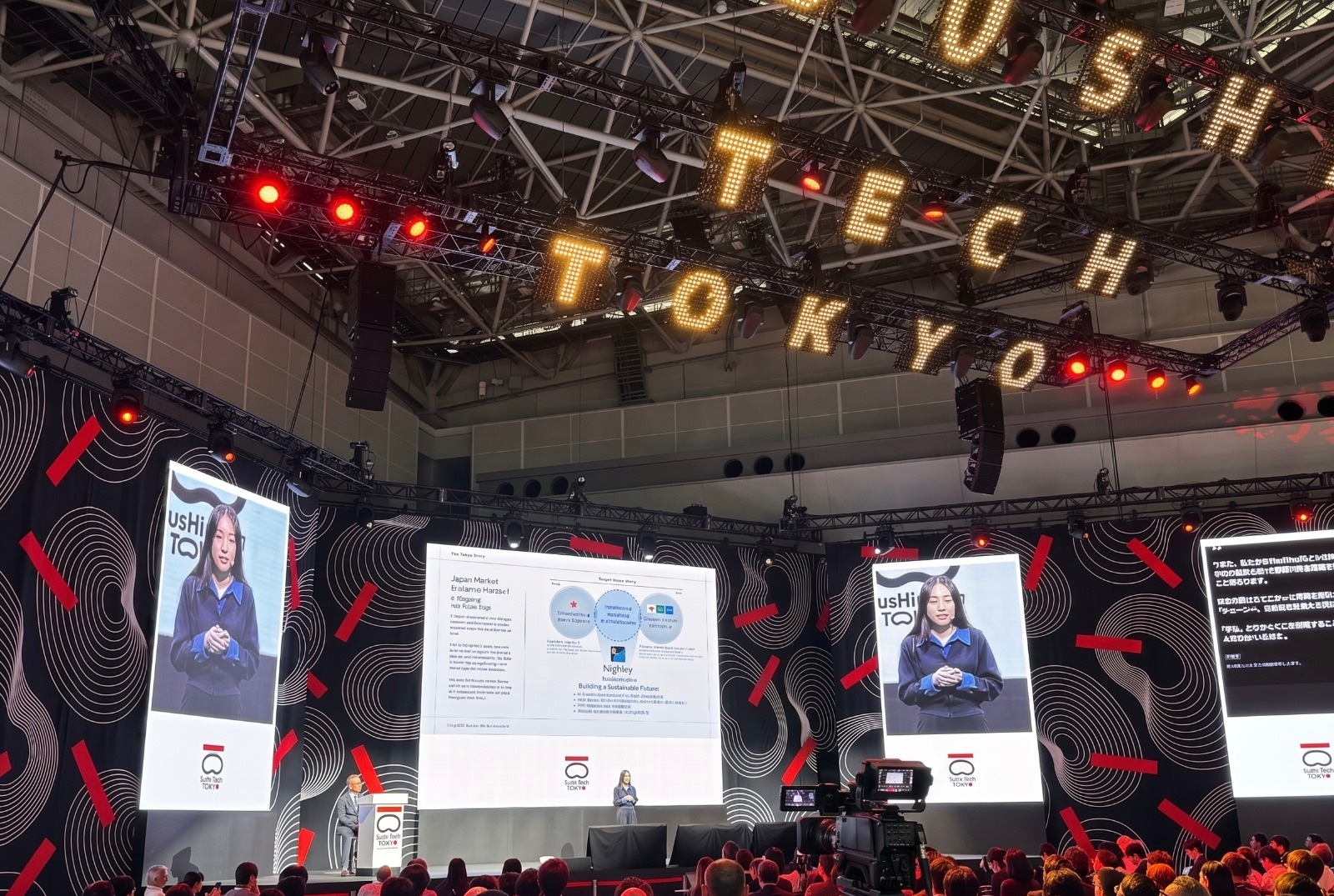
At SusHi Tech Tokyo 2026, some of the most interesting conversations were not only happening on the main stages, but in the startup pitches where founders were trying to answer a much bigger question: how do we build cities that are not only smarter, but more sustainable, resilient and human?
That question sat at the centre of the SusHi Tech Challenge 2026, a startup pitch contest focused on “Sustainable High City Tech.” With a Grand Prize cash award of JPY10 million and networking opportunities with judges, including leading venture capitalists from Japan and abroad, the challenge offered startups more than recognition. It gave them a platform to test their ideas in front of the people who could help take them further.
The finalist lineup reflected the breadth of innovation now shaping urban futures. ASUENE brought its climate-tech focus through solutions that support carbon accounting and decarbonisation, while DeepMentor focused on edge AI and model optimisation, pointing to the growing importance of bringing AI closer to real-world devices and operations. Eztia presented wearable cooling technology designed to reduce skin temperature without batteries, offering a practical response to rising heat and changing city conditions.

The range of ideas continued with LIFESCAPES, whose work in brain-machine interface technology supports neuro-rehabilitation and improved quality of life for patients with severe paralysis. Munice brought AI and neuroscience into the sleep-tech space, offering personalised sound solutions for better rest. PragmaClin focused on Parkinson’s care through PRIMS, a digital assessment tool using depth cameras to support neurological evaluation and disease management.
Qarbotech, the eventual Grand Prize winner, stood out with an agritech solution designed to enhance photosynthesis. Its technology uses nanotechnology and a biocompatible organic compound to help plants absorb light more effectively, improve growth and increase yield. In a challenge focused on sustainable cities, its win was a reminder that urban futures are also connected to food security, climate resilience and smarter agriculture.
What made the challenge especially engaging was not only the strength of the ideas, but the mindset behind the founders. There was ambition, but it did not feel detached from reality. These startups were not simply chasing visibility. They were thinking carefully about how their solutions could work in complex markets, with real customers, partners and communities.
That came through clearly in conversations with several of the finalists about what it takes for startups to break into a market. Qarbotech’s Zamri Izzat Zakwan pointed to the importance of “building connections first with local companies.” Coming from the Grand Prize winner, that advice carried particular weight and reflected a practical understanding that startups need to learn the market, build relationships and earn confidence before they can scale meaningfully.
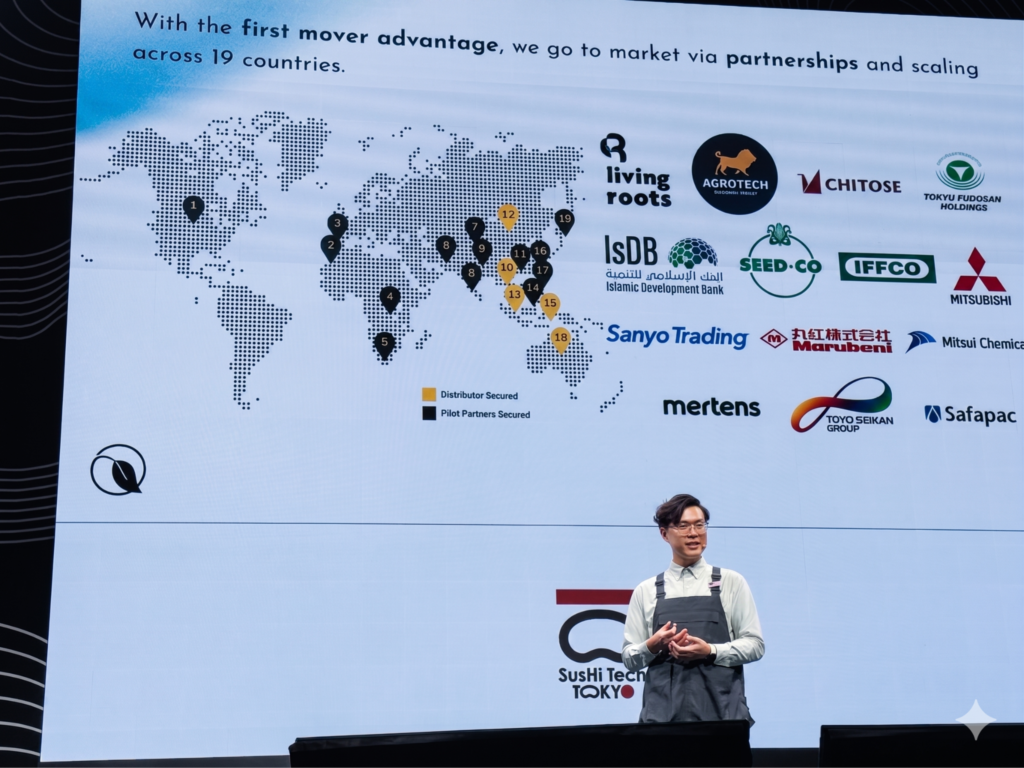
For Bronwyn Bridges from PragmaClin, successful market entry also requires patience and a long-term view. “It takes time and it’s relationship driven,” she said, “but once you’re in, you’re in for life.” Her comment captured one of the quieter realities of startup growth: entering a new market is not only about presenting a strong solution, but about earning trust over time.
The three other finalists we spoke with echoed the same sentiment in different ways but the message was consistent: sustainable growth depends not only on innovation, but on patience, resilience and trust.
In that sense, the challenge was more than a pitch contest. It was a window into the kind of innovation cities increasingly need: practical, collaborative and grounded in real-world problems. From agritech and climate-tech to healthcare, AI and wearable cooling, the finalists showed that sustainable urban development will not come from one solution alone, but from many ideas working together.
From the ground, the clearest takeaway was this: the future of sustainable cities is being shaped not only by big institutions or established players, but by startups willing to build slowly, listen carefully and keep going long after the first pitch is over.