Digital transformation is less about AI, automation, or architectures, and more about people. With fewer than half of initiatives meeting their goals, the differentiator isn’t technology but leadership that fosters alignment, trust, and cultural agility.
In boardrooms of global enterprises and in the fast-paced halls of SaaS startups, talk of digital transformation is everywhere.
The conversations may revolve around AI, composable architectures, or the latest automation tools, but here’s the undeniable reality: no matter how advanced the technology, the success or failure of digital transformation ultimately rests on its human foundation.
The People Paradox: Leading With Tech, Lagging With Humans
Consider these data-backed realities:
Just 48% of digital initiatives enterprisewide meet or exceed business outcome targets, according to the Gartner 2025 CIO Survey, highlighting that leadership that inspires rather than dictates becomes the secret multiplier.
An Accenture survey found that 76% of managers agree companies need to bring people and technology together with more emphasis on the human side of transformation. (MyHub Intranet Solutions.)
While companies continue to pour resources into new technologies, it’s the human layer, the skills, culture, and alignment of people, that so often tips the scales.
The numbers tell the story plainly: transformation isn’t just about tools or systems. Even the most cutting-edge strategy can come undone if the workforce is disconnected or unprepared.
Leadership as Catalyst, Not Commander
Research indicates that organizations with an active Chief Digital Officer championing change are 6X more likely to realize transformative outcomes.”. (McKinsey and Company)
That’s a clarion call: transformation demands people-first leadership. What truly moves the needle isn’t just the technology, but enterprise-wide alignment, trust, and a strong sense of ownership at every level.
AI and Automation: Tools That Require Human Governance
Aurelie L’Hostis, Principal Analyst at Forrester, observes that digital experiences are shifting toward a more human-centered approach, driven by technologies designed to be intuitive, proactive, and genuinely supportive. (Forrester)
The path to speed? Automatable, modular systems, but only if people adapt and lead the change.
Newer Forrester thinking underscores the ascendancy of agentic AI, AI systems capable of open-ended tasks. These tools are powerful, but “unpredictable,” and demand governance and trust frameworks supported by human oversight (Forrester.)
Thus: Whether it’s composable systems or intelligent agents, tech magnifies human capability, and risk. Success emerges when leaders cultivate the emotional and organizational infrastructure that complements innovation.
Emotional Intelligence: The Invisible Competitive Advantage
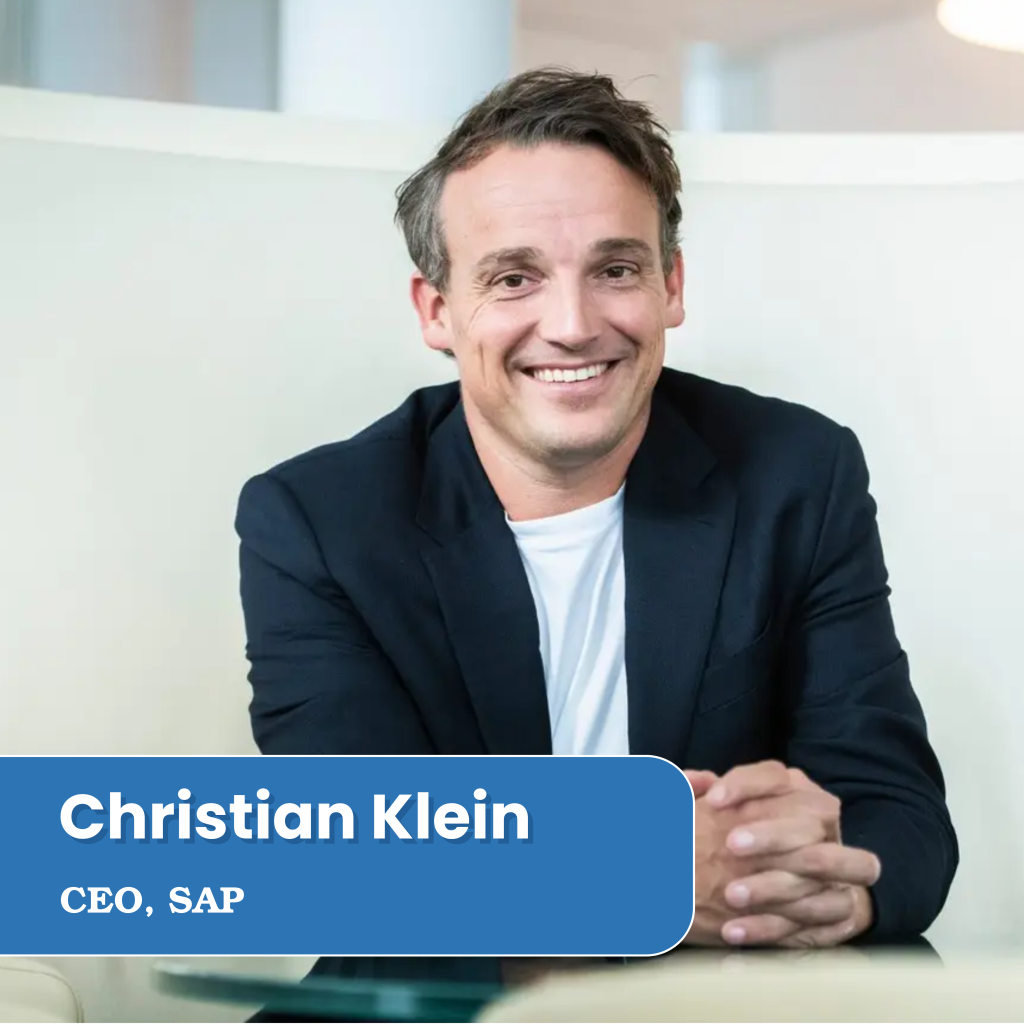
SAP CEO Christian Klein offers a human-first perspective that resonates deeply: while AI brings insight, “someone in the company you can hold accountable” remains indispensable. Geopolitical nuance, emotional intelligence, and cultural sensitivity in sales and leadership cannot be outsourced to AI (TIME.)
Across every level, C‑suite, middle management, frontline, transformation hinges on human empathy, adaptability, and the meaning we assign to change.
Final Word: Transformation Lives in the Human Dialogue
Digital transformation is too often framed as a technology challenge. In reality, it is a human journey, driven less by tools and platforms, and more by leadership values, cultural agility, and the ability to build shared purpose across the enterprise.
Recent research from Forrester, Gartner, HubSpot, and Forbes reinforces this truth: real success depends as much on the invisible work within your teams as it does on the digital architecture itself.
For C-suite leaders, marketers, and transformation executives, the most powerful digital asset may not be efficiency at all, it’s empathy.
When cultural maturity, courageous leadership, and technological momentum come together, the outcome isn’t just a transformed business. It’s transformed people, the very ones who make that business thrive.