




AI is transforming B2B marketing, but its power lies beyond the hype. The real impact comes when businesses treat AI as a collaborator, anchor it in clean data and governance, and balance innovation with human insight to drive lasting growth.
AI looms large, promised as the turbocharger to marketing engines. Yet behind the buzz lies a wiser question: which parts are hype, and which are game-changing reality?
AI: From Buzzword to Operational Catalyst
According to Forrester’s 2025 B2B Brand and Communications Survey, a staggering 86% of marketing leaders see AI’s most likely impact as efficiency gains, not gimmicks or gimmickry, but this is where real value lies. (Forrester)
92% of businesses are considering investment in AI-powered software in 2024, especially for enhancing account-based marketing (ABM) with precision targeting. (Gartner)
But efficiency alone isn’t enough. At last spring’s B2B Summit, Forrester found 89% of B2B buyers use generative AI at some point in their journey, yet only 19% of organizations use it in production. That gap signals experimentation without scalable impact. (Forrester)

Content: Assisted, Not Automated
HubSpot’s 2025 State of Marketing data shows that 54% of content marketers now use AI to generate ideas, but a tiny 6% let AI write entire articles (up from 3%).
This distinction matters. AI can absolutely spark creativity and speed up workflows, but it’s people who preserve tone, nuance, and brand voice. The grand idea of full automation is already losing its shine, giving way to a far more practical model: collaborators, not replacements.
The Traffic Shift: AI-Driven Discovery

Forrester reports that AI-generated traffic now accounts for 2% to 6% of total organic traffic in B2B, a number growing over 40% each month. By year‑end 2025, expectations are it could hit 20% or more.(Digital Commerce 360)
This shift reshapes how buyers discover and engage with suppliers. AI isn’t just a backend tool, it’s becoming a front-door. Savvy marketers will optimize not just for SEO but for AI-assisted discovery paths.
CMO Pressure & Strategic Rebalance
Gartner highlights that 61% of CMOs face heightened demands from CEOs to deliver short-term growth, while marketers contend with the dual imperative of immediate ROI and long-term innovation.
Sellers who partner with AI tools are 3.7 times more likely to meet quota than those who don’t. (Gartner)
Generative AI can help balance this, unlocking faster personalization and campaign rollout. But as Gartner’s 2025 Hype Cycle for AI underscores, leadership must prioritize scalable, governed AI initiatives, not chase novelty.
AI Agents: Promise and Prerequisite
Enterprise AI is shifting toward agentic models, autonomous systems that act on data. But TechRadar reports a sobering truth: 78% of global organizations lack the data readiness needed to deploy AI agents effectively.(TechRadar)
Even the most advanced AI flops without clean, unified, governed data. The grind behind the glam: investing in foundational architecture, data lakes, identity resolution, feedback loops, separates the hype from the high‑impact.(TechRadar)

Hype vs. Reality: A Human Perspective
Forbes cuts through the sheen: many AI promises are more PR than performance.(Forbes) Businesses risk AI-washing, overstating capabilities to stay “cutting-edge” without substance.
Rather, when AI is embedded as a growth driver, not a headline grabber, the ROI, and sustainability, follows. (Forbes)
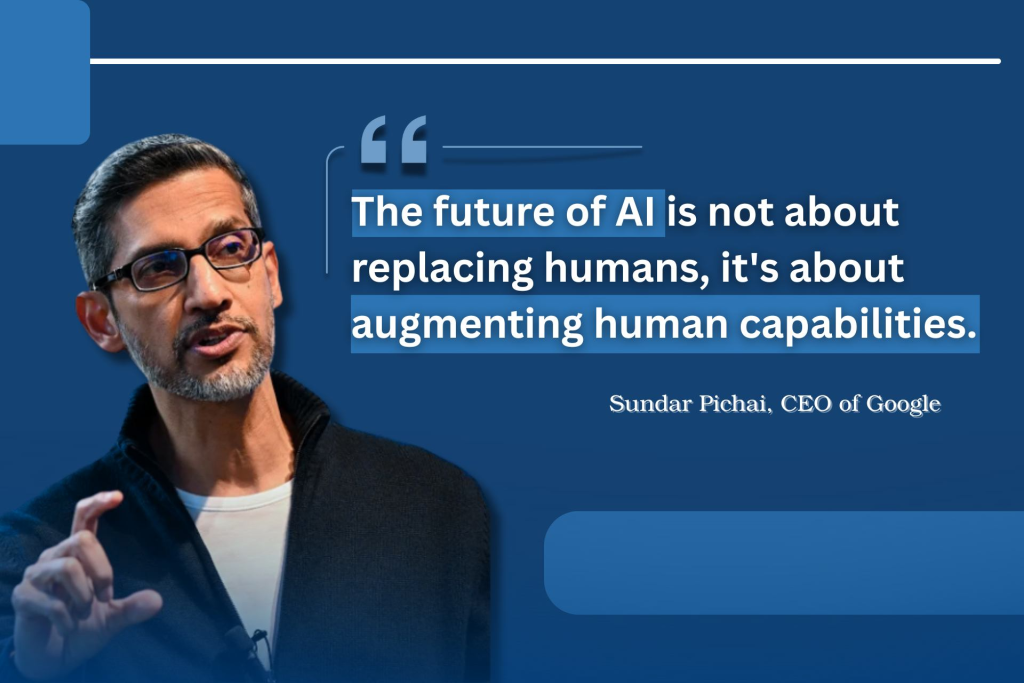
Perspectives from the C-Suite
Final Word
AI in data-driven B2B marketing isn’t a passing trend, nor is it a magic cure-all. It’s a powerful force, but only when it’s carefully aligned with strategy, supported by strong systems, and anchored in real business needs.
Used that way, it can reshape how organizations engage customers and fuel growth. In this shifting landscape, the marketers who stand out will be the ones who balance innovation with intention, blending the best of technology and human insight to deliver impact that actually lasts.