

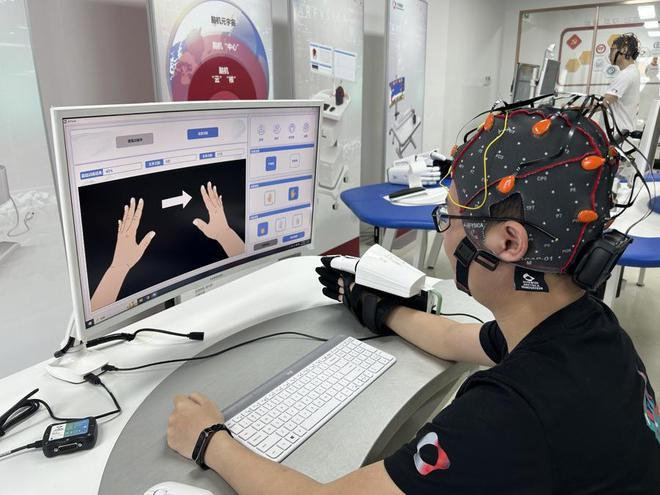
LIFESCAPES Medical BCI, are the creators of an innovative neurorehabilitation device designed to support individuals experiencing hand paralysis following stroke or spinal cord injury.
The technology combines brain-computer interface (BCI), robotic assistance and electrical stimulation to help reconnect a patient’s movement intentions with physical hand movement, creating new possibilities for neurological rehabilitation.
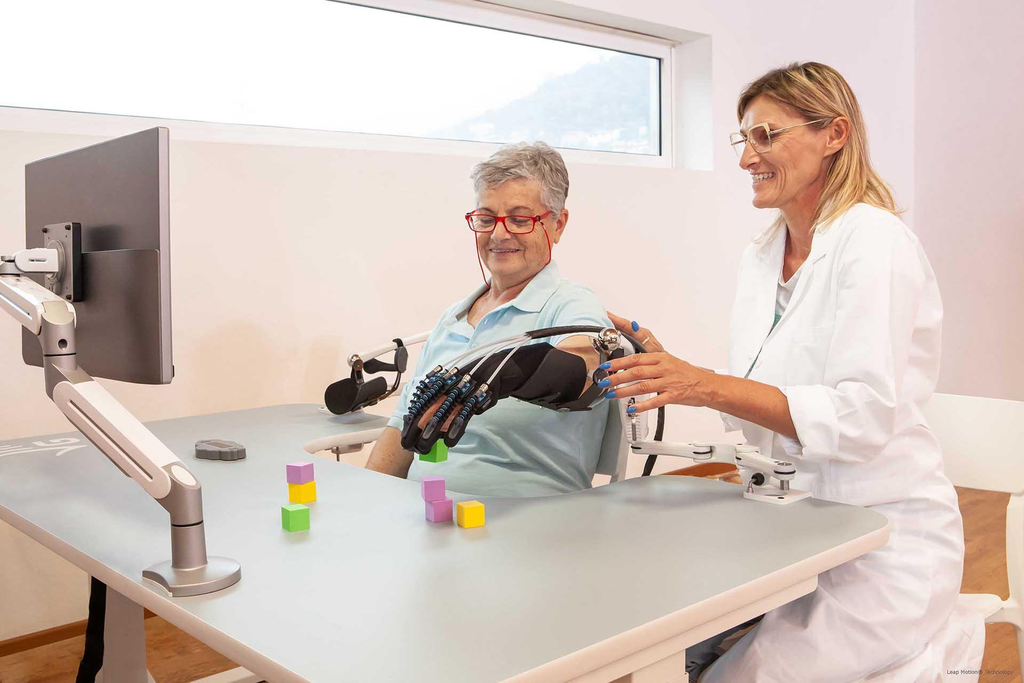
Hand paralysis is a common and complex consequence of neurological injuries, often affecting a person’s ability to perform daily activities independently.
While conventional rehabilitation focuses on repetitive physical exercises, recovery can be challenging when communication between the brain and muscles has been disrupted. LIFESCAPES Medical BCI aims to address this challenge by using the patient’s own brain signals as part of the rehabilitation process.
The device detects brain activity associated with a patient’s intention to move their hand. Once the movement signal is identified, a robotic orthosis assists the hand movement while electrical stimulation activates the relevant muscles.
By linking the intention to move with a physical response, the system creates a feedback loop that allows patients to experience movement generated from their own neural activity.
This approach is designed to support motor learning and encourage the brain’s ability to adapt through neuroplasticity during rehabilitation.
Combining Neuroscience, Robotics and Medical Engineering
Unlike traditional assistive technologies that mainly compensate for lost function, brain-computer interface solutions aim to actively involve the brain in the recovery process.
LIFESCAPES Medical BCI represents the convergence of neuroscience, robotics and medical engineering, highlighting how emerging technologies are transforming approaches to neurological rehabilitation.
The device has been developed for individuals recovering from conditions including stroke and spinal cord injury, providing a technology-driven approach to supporting hand function recovery.
Expanding the Future of Neurorehabilitation
As healthcare continues to explore more personalised treatment approaches, technologies that combine artificial intelligence, biosignal processing and robotics are creating new opportunities for patient recovery.
By translating a patient’s movement intention into assisted physical action, LIFESCAPES Medical BCI demonstrates how advanced medical technologies can support rehabilitation beyond traditional methods.
Through continued innovation in brain-computer interfaces, the future of neurorehabilitation is moving towards solutions that not only assist patients with daily activities but also aim to strengthen the connection between the brain and the body.